AI essays / tools / systems
Bob Z
Essays, workflow notes, and interactive projects on how AI is moving from chat interfaces into broader operating systems.

Build Software Like a Roguelike
When AI makes a fresh prototype cheap enough, starting again becomes a useful building method. Treat each version as a run: keep what you learned, then decide how much of the software deserves to survive.

Your AI Subscription Is Not Expertise
AI can improve your output faster than your ability to judge it. A working database, a convincing essay, and an expensive subscription can all hide that gap.

Astra for Writing, Fable for Coding
Astra feels better for writing. Fable feels better for coding. Live speech adds another use case: talking through ideas and steering a draft as it develops.
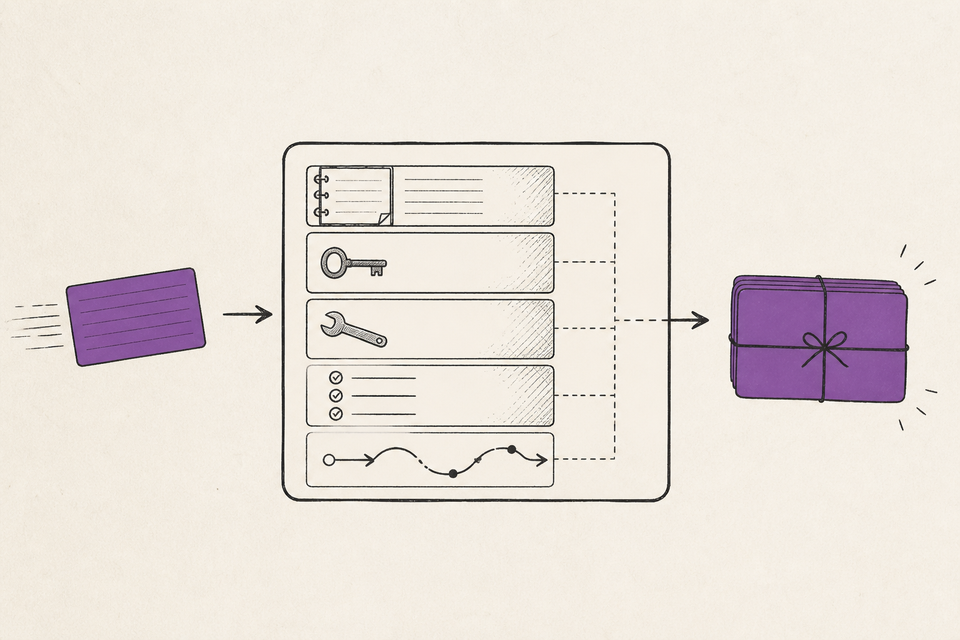
The Prompt Is Becoming a Package
Reusable AI work is moving out of the clever prompt and into packages of context, tools, instructions, permissions, examples, and workflows.
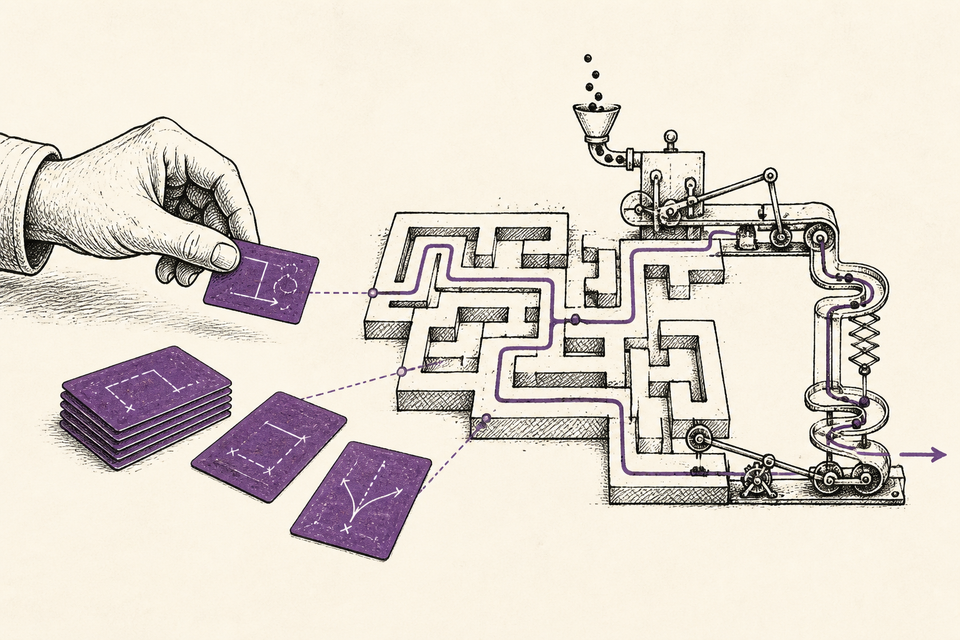
AI Makes Expertise More Valuable Before It Makes It Less Valuable
Current agents lower implementation barriers while rewarding the domain knowledge needed to specify work, catch edge cases, and recover from failure.
The Useful Metric Is Cost Per Finished Task
The July 2026 model releases are argued in cost, tokens, and tool calls per task rather than leaderboard position. The harder problem is that most workflows can't say what finished means.
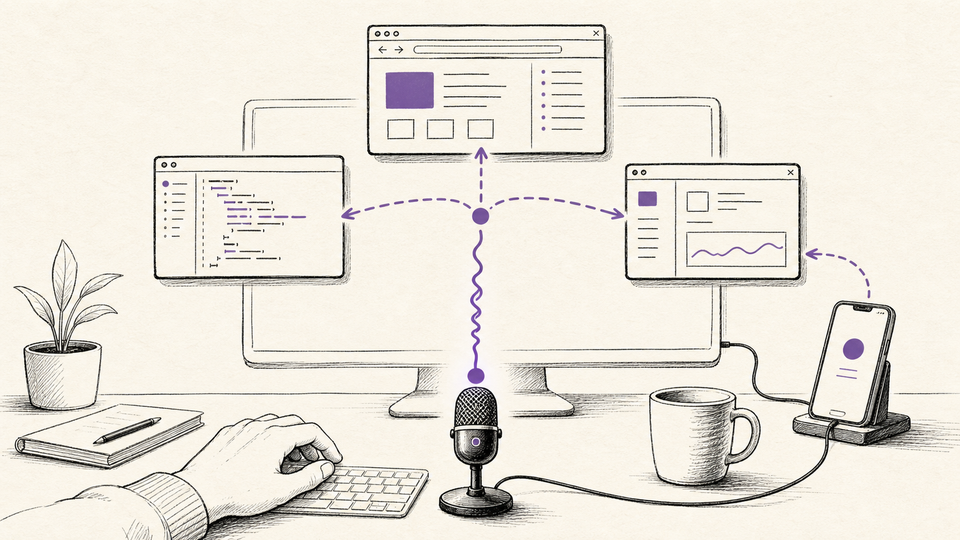
GPT-Live Is the Voice Assistant I Actually Wanted
ChatGPT Voice turns speech into a control layer for real work: browse the web, steer Codex tasks, share screen context, and keep the same desktop environment moving from your phone.
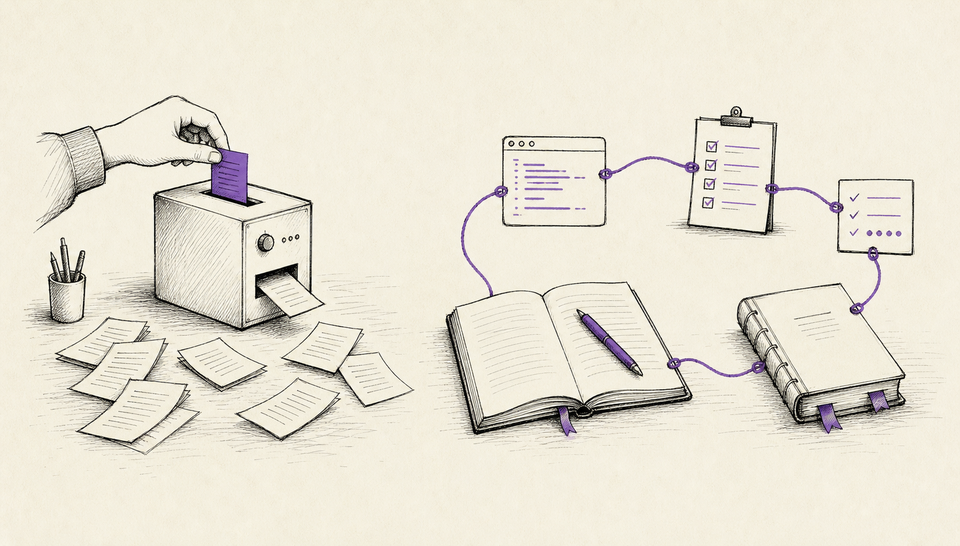
Build Something That Stays
The useful difference is not who uses the most AI. It is whether each task leaves behind something that makes the next one cheaper, safer, or more consistent.

Organic Software Is Not Vibe Coding
Organic software is expert-led, AI-assisted software that grows through real use. It is dynamic, but not loose: the builder keeps changing the app as the work reveals itself, while using judgement, tests, and feedback to stop the system from becoming a mess.
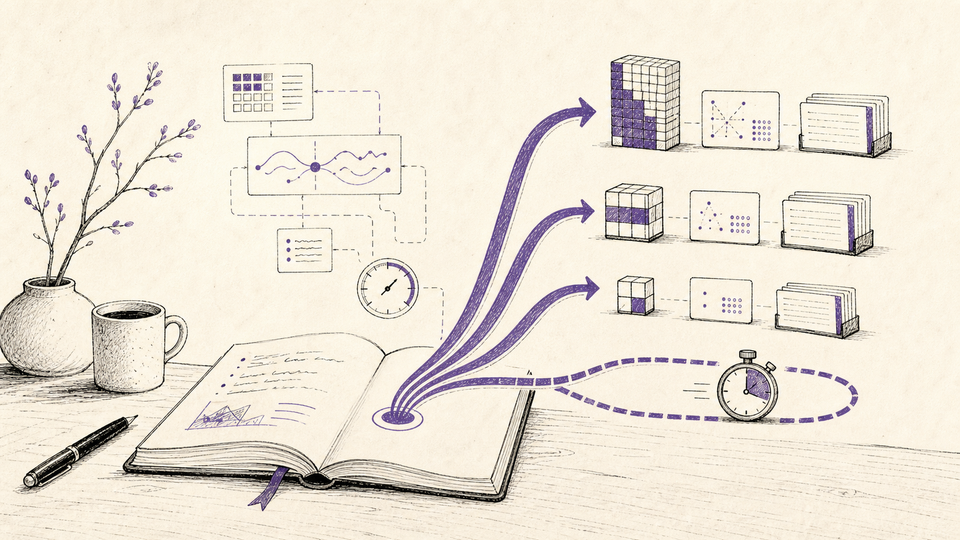
The Interesting Part of GPT-5.6 Is the Routing Layer
GPT-5.6 Sol, Terra, Luna, and the Cerebras launch point at a more practical question: which lane should this work run in, how fast should it move, and when should a human stay close?
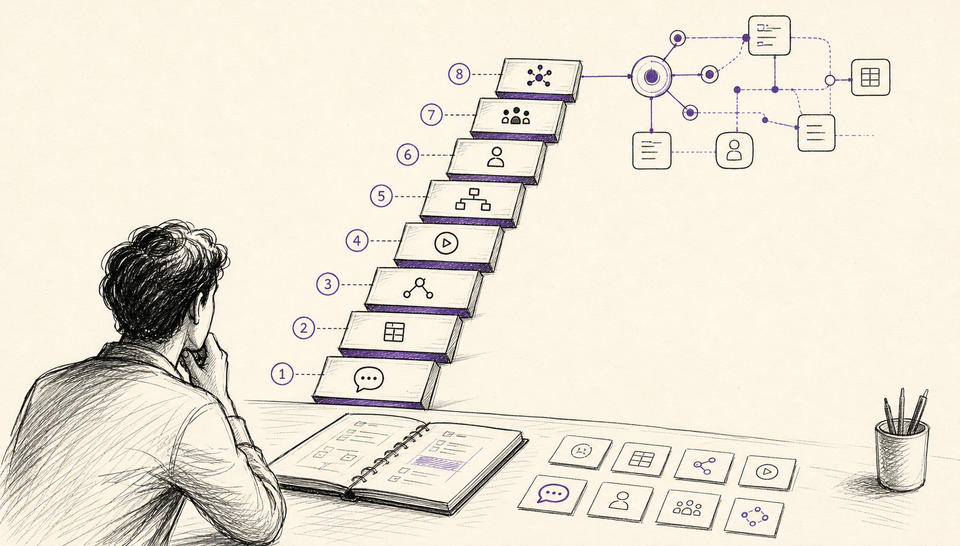
The AI Proficiency Ladder
Every's eight-level AI adoption map is useful because it measures delegation, trust, context, and verification, not personal intelligence. This version expands the ladder and pairs it with a self-assessment that checks how people actually work with AI.
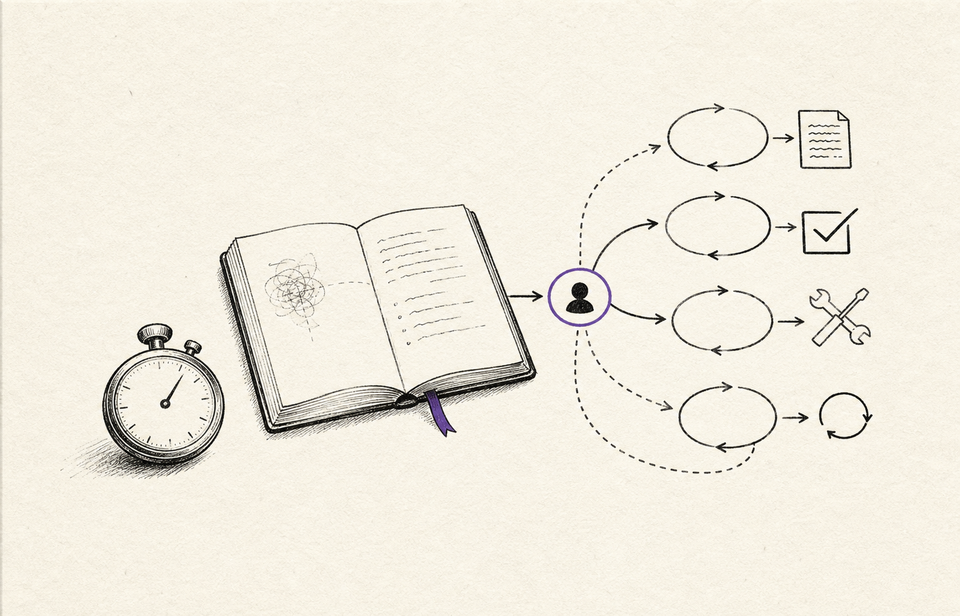
The Future Feels Like 1,000 Tokens a Second
Cerebras is interesting beyond its IPO because near-1,000-token-per-second inference changes the shape of the work: draft, check, repair, compare, and return before the human loses the thread.
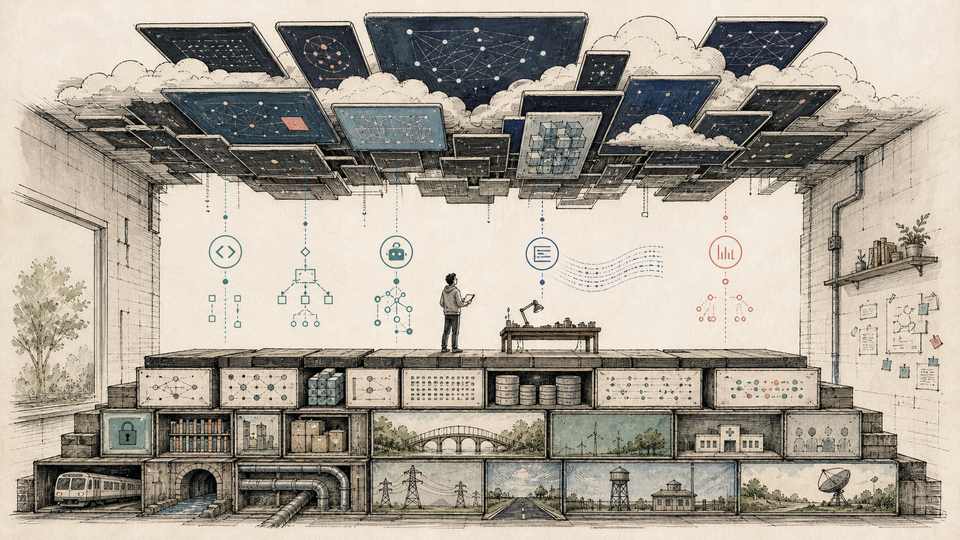
The Floor and Ceiling of AI
The useful question is how much AI capability would still remain if the proprietary frontier disappeared tomorrow.
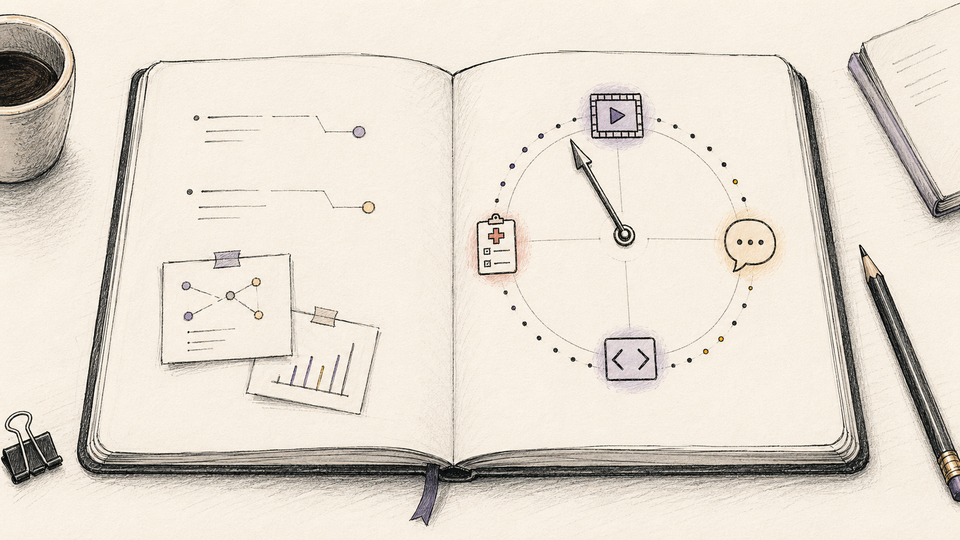
The AI Function Clock
The common claim is that AI cannot replace your job. That may be true. But jobs are bundles of functions, and the better question is which functions are already moving closer to reliable AI handoff.

Loophole Treats Ethics Like Adversarial Testing
Loophole is not interesting because it solves ethics. It is interesting because it treats moral principles like something you can draft, attack, patch, and escalate until the real conflicts in your values finally surface.
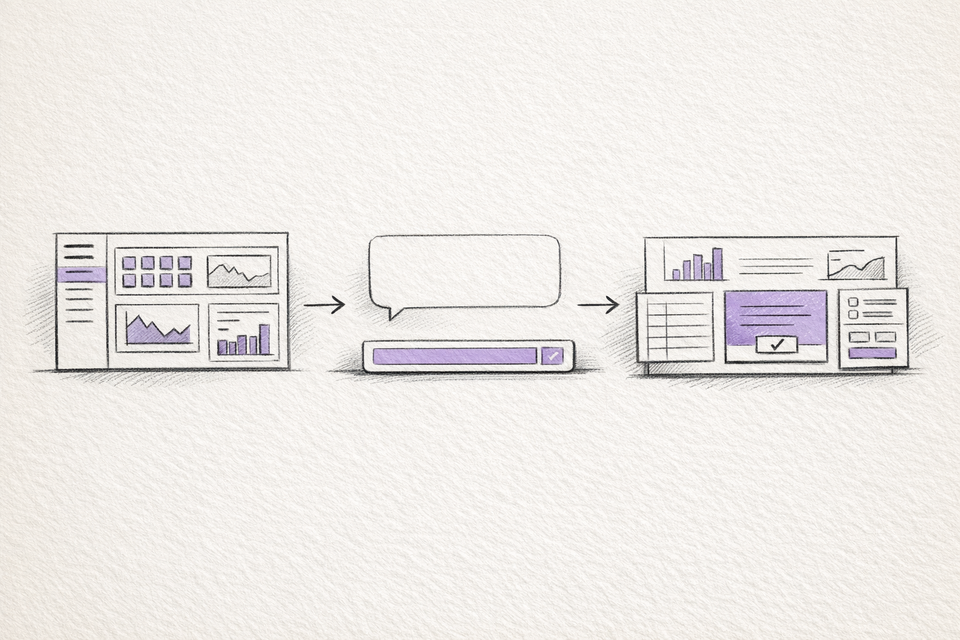
The SaaS Homepage Is Becoming an Agent
Attio, Linear, and PostHog are converging on the same product bet: one fixed dashboard cannot serve every user or every intent, so the SaaS homepage is shifting toward an agentic entry point. Chat is the router. Generative UI is what comes next.
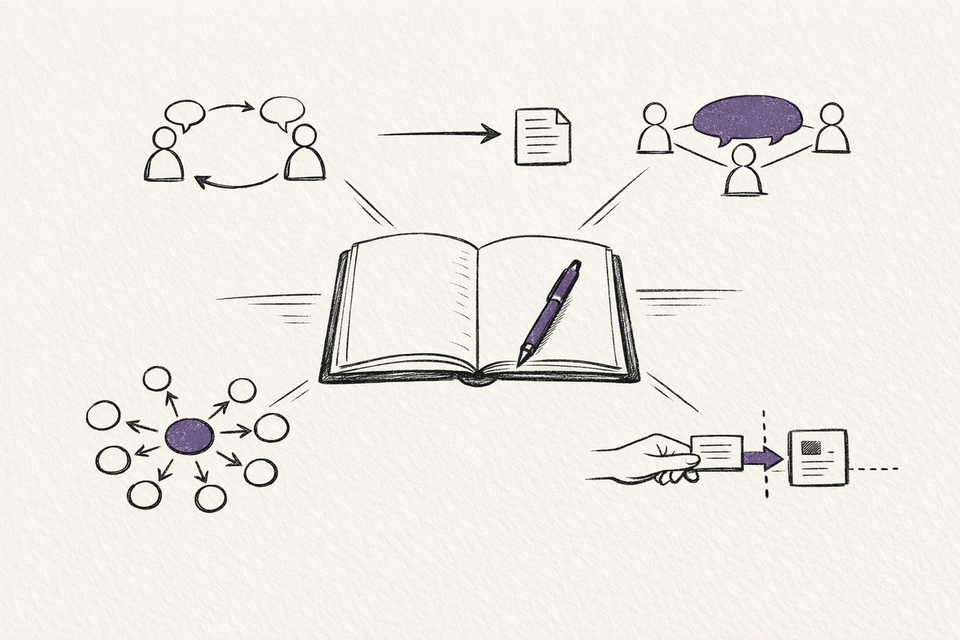
How Agents Actually Talk to Each Other
The next real step for agents is genuine multi-agent runtime across different harnesses: paired review loops, handoffs, shared threads, and open protocols such as A2A.
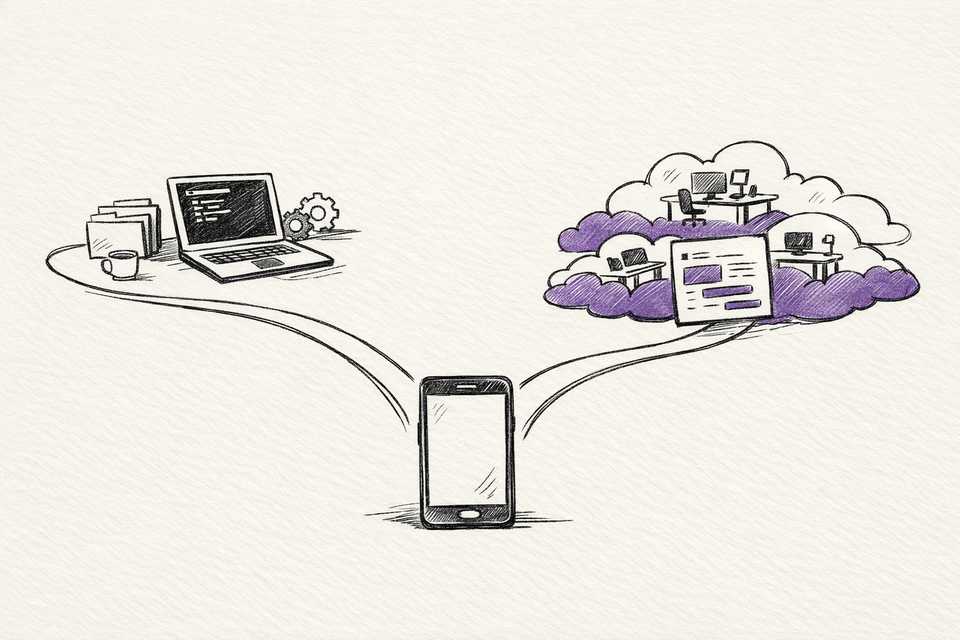
Mobile AI Coding Is Splitting Into Local Supervision and Cloud Autonomy
As of March 24, 2026, mobile AI coding is splitting around where the work runs: a phone steering your own machine, or a phone watching cloud agents work somewhere else.
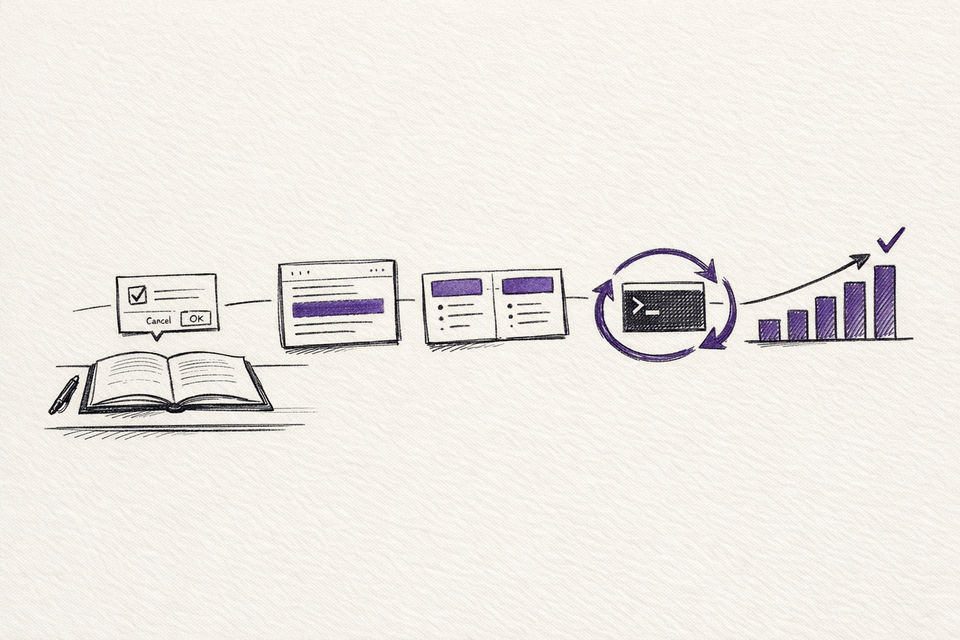
Five Levels of Running Claude Code More Autonomously
Claude Code autonomy is not one trick. It starts with permission friction and context hygiene, then moves through subagents and loop hooks, and becomes genuinely useful when the system can measure whether the last iteration actually improved the work.
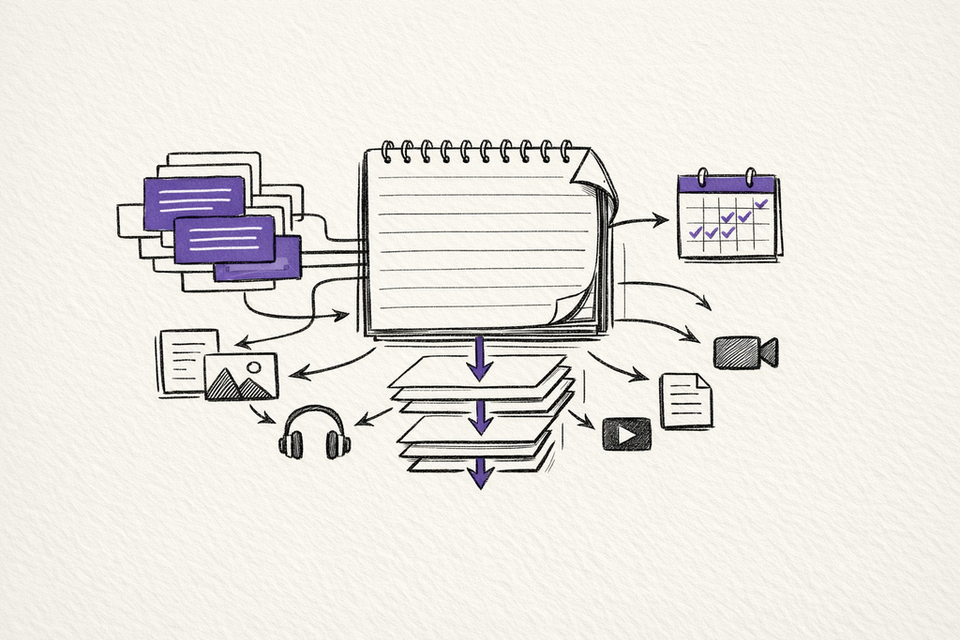
Agent Memory Is Being Built Around the Model
The newest memory systems do not make language models inherently stateful. They build recall, updates, and temporal reasoning around the model instead. Gemini Embedding 2 is the first mass-scale vector embedding that is multimodal.
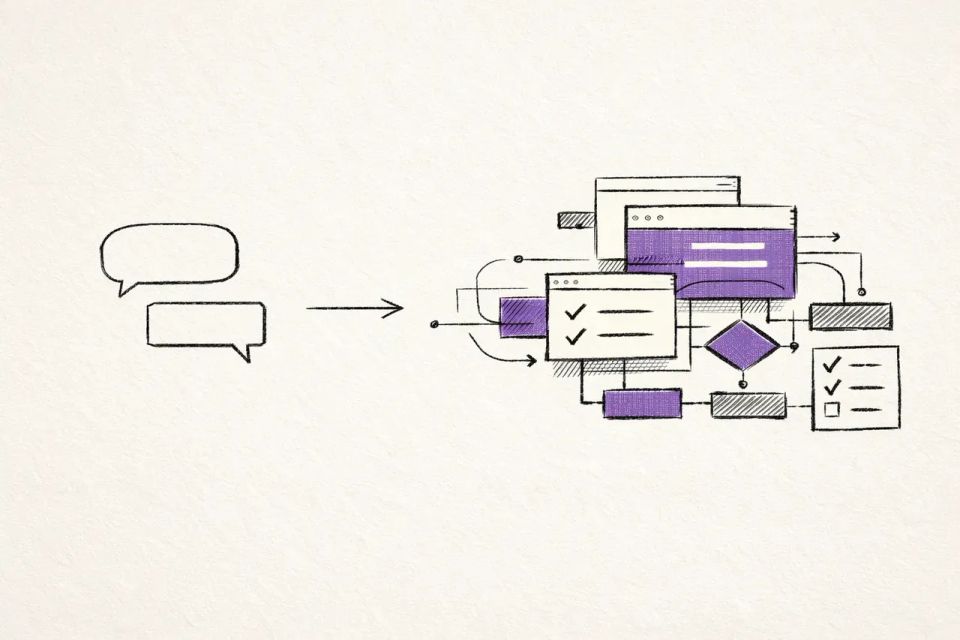
AI Is Moving From Chatbots to Operating Systems
The most useful way to understand AI progress isn't by tracking model names. It's by tracking the operating model: from chatbots that only talk to systems that can plan, act, coordinate, and increasingly sit across software.
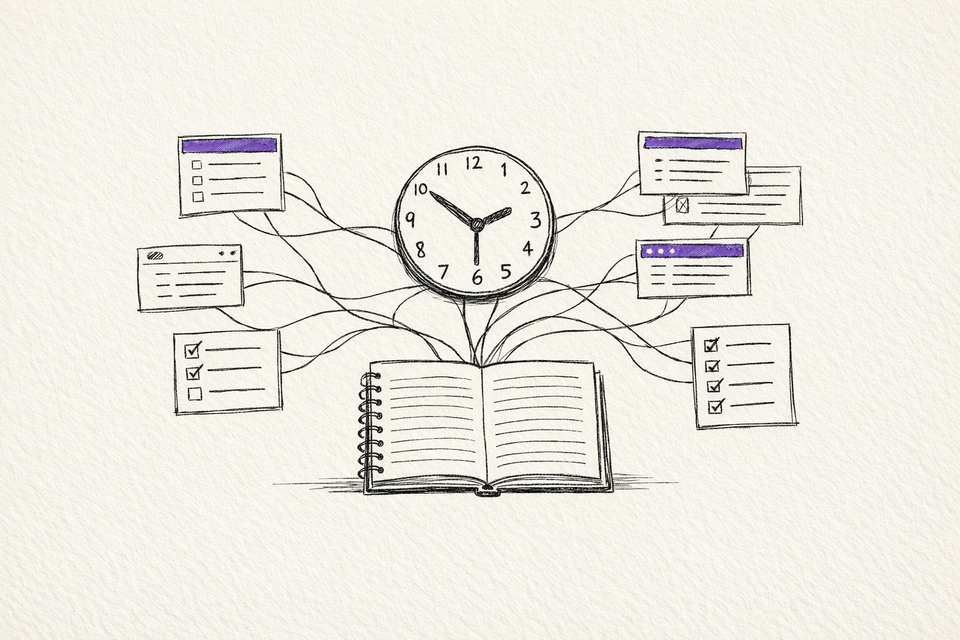
AI Does Not Automatically Give You Time Back
AI can speed up individual tasks, but that does not automatically create more free time. From personal experience, the saved capacity gets filled by more complex tasks and higher expectations.