Agents
Essays
The Prompt Is Becoming a Package
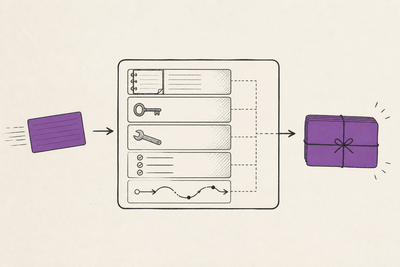
Reusable AI work is moving out of the clever prompt and into packages of context, tools, instructions, permissions, examples, and workflows.
Essays
The Useful Metric Is Cost Per Finished Task
The July 2026 model releases are argued in cost, tokens, and tool calls per task rather than leaderboard position. The harder problem is that most workflows can't say what finished means.

Essays
GPT-Live Is the Voice Assistant I Actually Wanted
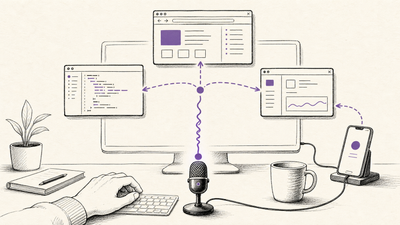
ChatGPT Voice turns speech into a control layer for real work: browse the web, steer Codex tasks, share screen context, and keep the same desktop environment moving from your phone.

Essays
Build Something That Stays
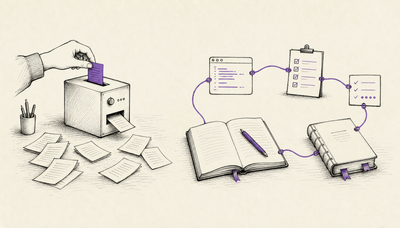
The useful difference is not who uses the most AI. It is whether each task leaves behind something that makes the next one cheaper, safer, or more consistent.

Essays
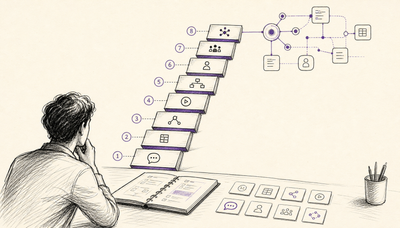
The AI Proficiency Ladder
Every's eight-level AI adoption map is useful because it measures delegation, trust, context, and verification, not personal intelligence. This version expands the ladder and pairs it with a self-assessment that checks how people actually work with AI.


Essays
Loophole Treats Ethics Like Adversarial Testing
Loophole is not interesting because it solves ethics. It is interesting because it treats moral principles like something you can draft, attack, patch, and escalate until the real conflicts in your values finally surface.
Essays
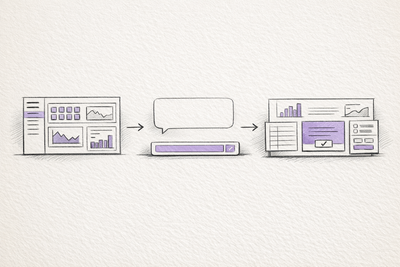
The SaaS Homepage Is Becoming an Agent
Attio, Linear, and PostHog are converging on the same product bet: one fixed dashboard cannot serve every user or every intent, so the SaaS homepage is shifting toward an agentic entry point. Chat is the router. Generative UI is what comes next.

Essays
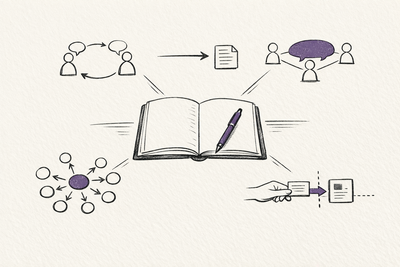
How Agents Actually Talk to Each Other
The next real step for agents is genuine multi-agent runtime across different harnesses: paired review loops, handoffs, shared threads, and open protocols such as A2A.

Essays
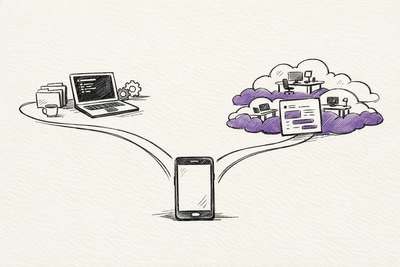
Mobile AI Coding Is Splitting Into Local Supervision and Cloud Autonomy
As of March 24, 2026, mobile AI coding is splitting around where the work runs: a phone steering your own machine, or a phone watching cloud agents work somewhere else.

Essays
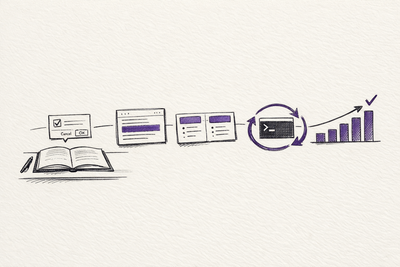
Five Levels of Running Claude Code More Autonomously
Claude Code autonomy is not one trick. It starts with permission friction and context hygiene, then moves through subagents and loop hooks, and becomes genuinely useful when the system can measure whether the last iteration actually improved the work.